

LVIoT retrofits non-intrusive edge devices on your existing distribution transformers. Oil, temperature, load and electrical telemetry stream into a cloud AI engine that flags overload, theft patterns, insulation degradation and imminent trips — in real time.
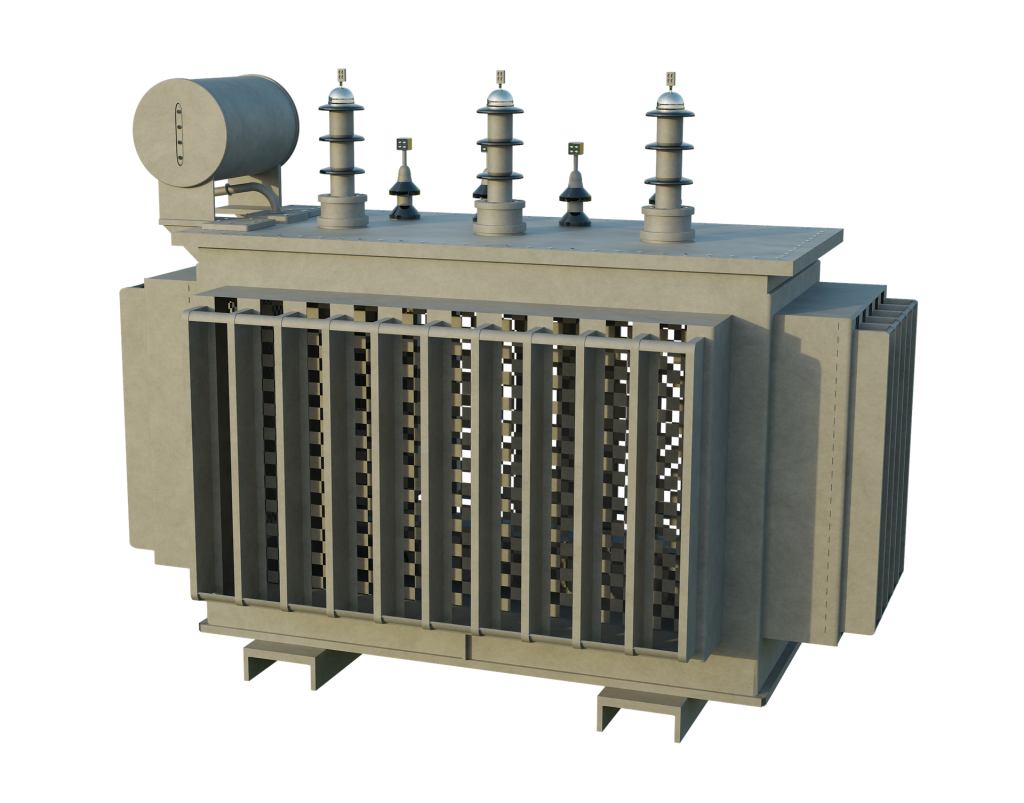
A transformer that tells you what’s wrong, before it breaks.
Distribution transformer health monitoring is the continuous, sensor-based tracking of a transformer’s load, temperature, oil condition and electrical parameters to predict failure before it happens. LVIoT turns a silent asset into a live, AI-queryable one — without replacing it.
– 67%
Mean time to recovery across 200 monitored DTs at Tata Power Delhi.
– 38%
Unplanned outages on monitored feeders, four-quarter baseline.
2.1 x
Assets-per-engineer coverage ratio vs. manual inspection cycle.
01
Overloading & oil temperature
Peak-load transformers run hot. Insulation breakdown is silent until it isn’t. 34% of DTR failures trace back to thermal stress that was visible at least 48 hours in advance.
02
Theft, tampering & losses
Unaccounted losses distort your AT&C. Telemetry catches the signature — phase imbalance, out-of-schedule draws, tamper-open events — the moment it starts.
03
MTTR & unplanned outages
Without upstream visibility, every trip is a discovery exercise. Predictive alerts compress the detect-dispatch-repair loop from hours to minutes.
01
Edge sensors, non-intrusive install
Clamp-on CT sensors, temperature probes and oil-condition modules attach to the DTR cabinet. No shutdown. No tank drilling. 30 minutes per site.
A 5-engineer crew instrumented 112 DTRs across BESCOM’s Nelamangala zone in 8 working days.
02
AI anomaly detection & degradation forecasting
1-min telemetry is ingested, baselined and scored against a library of 12 failure signatures. The model flags drift — not just thresholds about 48–72 hours before manifest failure.
DTR-4421 flagged 61 hours in advance. Crew swapped the cooling fan. No outage. No consumer saw it.
03
Role-based dashboards & call-to-action alerts
GMs see SAIDI, engineers see feeders, field crews see only their ticket. Alerts route via WhatsApp, email and your existing ticketing system.
GM console, engineer console and a crew-only mobile view. One telemetry pipeline.
Questions buyers ask about transformer health.
No. LVIoT sensors are clamp-on and cabinet-mounted. Average install time is 30 minutes per DTR with zero service interruption.
Across 1,200+ monitored DTRs, the model catches ~82% of thermal and electrical failure modes with a lead time of 48 hours or more. False-positive rate sits around 6%, bounded by alert-tuning in your playbook.
Yes — that is the core design assumption. The retrofit approach means you do not need to replace any transformer to start monitoring it.
Phase-current imbalance, off-schedule draw patterns and tamper-seal telemetry combine into a signature score. It catches the pattern; your commercial team acts on the ticket.
Typically 30–100 DTRs in one division for 90 days. Outcomes (MTTR, alerts, predicted vs. confirmed failures) reviewed at end of each month.
Let’s get specific
30 minutes on your grid, with our engineers.